Yes, wheelchair-accessible desert safaris do exist, but with limits. While the open sand dunes are not fully wheelchair-friendly, many parts of a Dubai desert safari can be arranged to support guests with limited mobility.
With proper planning and the right operator, wheelchair users can enjoy desert views, cultural camps, dining, and entertainment in comfort. The key is knowing what is realistically possible and choosing a safari that focuses on accessible experiences rather than high-impact activities. For older guests facing similar mobility challenges, a private desert safari for a comfortable pace is highly recommended .
In This Article:
- What parts of a desert safari can be wheelchair accessible
- Which activities are usually not suitable
- Private vs group safari differences
- How to plan a mobility-friendly desert experience
- What to confirm before booking
Are Desert Safaris Wheelchair Accessible?
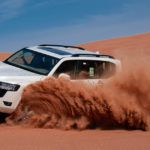
Wheelchairs are partially accessible during desert safaris. The desert terrain is natural sand, which makes full access difficult. Activities like high-speed dune bashing or walking on soft dunes are not suitable for wheelchairs.
However, many safari experiences focus on:
- Comfortable transfers
- Structured desert camps
- Cultural performances
- Dining and relaxation
With proper arrangements, these parts can be accessible and enjoyable.
What Parts of a Desert Safari Can Be Accessible?
Hotel Pickup and Private Transfers
Most desert safaris begin with hotel pickup in a 4×4 vehicle or van. For wheelchair users, spacious vehicles can be arranged, low-step entry options may be available, and staff assistance can help with boarding and seating. Private safaris are usually easier to adapt than group tours because timing and vehicle choice are flexible.
Desert Camps with Accessibility Features
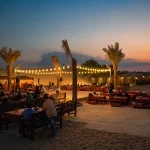
Many modern desert camps are built with comfort in mind. Some may offer firm, flat pathways to main seating areas, ramps instead of steps, stable dining tables and chairs, and accessible restrooms (depending on the camp). While sand still surrounds the area, the main event space can often be managed with assistance.
Cultural Experiences at Camps One of the best parts of a safari is the camp experience, and this is often the most accessible. Read more about the cultural side of desert safaris to see what traditional activities await you at the camp . Wheelchair users can usually enjoy henna painting, traditional Arabic coffee and dates, BBQ dinner service, Tanoura or fire shows, and relaxing sunset views. These activities can be experienced comfortably from a seated position.
What Is Usually Not Accessible for Wheelchair Users?
When it comes to wheelchair users, desert safaris have limited accessibility. The following are generally not suitable:
- High-speed dune bashing
- Sandboarding
- Camel rides
- Walking on loose sand dunes
Soft sand makes independent wheelchair movement nearly impossible. Even electric wheelchairs struggle in deep sand. Skipping these activities does not mean missing the desert experience. The camp atmosphere and scenery remain powerful highlights.
Private vs Group Safaris for Accessibility
If accessibility is important, private safaris are strongly recommended. To fully understand the benefits, discover why choose a private safari over group tours when you have specific mobility needs .
Private Safari Advantages:
- Flexible pickup timing
- Custom vehicle arrangements
- Focus on camp experience instead of dune driving
- More personal staff assistance
Group Safari Limitations:
- Fixed schedules
- Limited vehicle customization
- Less flexibility if changes are needed
For mobility-limited guests, private options provide comfort and peace of mind.
Types of Wheelchairs and Desert Suitability
There are different types of wheelchairs and not every wheelchair can be used in desert terrain.
Manual Wheelchairs
- Easier to lift or assist
- Work well on firm camp surfaces
- Difficult on loose sand
Electric Wheelchairs
- Heavier and harder to transport
- Require stronger assistance
- Not suitable for dune terrain
In all cases, sand remains the biggest limitation. Planning ahead makes a big difference.
How to Plan a Wheelchair-Friendly Desert Safari
Before booking, ask clear questions:
- What type of vehicle will be used?
- Is staff available to assist with transfers?
- Are there ramps at the camp?
- Are restrooms accessible?
- Is dune bashing optional or removable?
Confirm details in advance and request photos if needed. Clear communication prevents surprises. At Trawey Tours, desert safaris can be customized for mobility needs. The focus is on comfort, realistic planning, and meaningful desert experiences, without overpromising what natural terrain cannot support.
Conclusion
Wheelchair-accessible desert safaris do exist. But they require thoughtful planning and realistic expectations. While sand dunes limit certain activities, the heart of the desert experience—sunset views, cultural traditions, warm hospitality, and peaceful surroundings—can still be enjoyed.
With the right approach and a flexible operator, the desert becomes welcoming rather than restrictive. Contact Trawey Tours to customize an experience that fits your mobility needs, or view our private desert safari packages to start planning your accessible adventure today .