Most desert safari operators do not allow pets, especially on shared tours, because the experience involves other guests, outdoor adventure activities, and safety considerations.
One of the main reasons is that desert safaris are shared experiences. Some guests may have pet allergies, while others may feel uncomfortable or afraid around animals. Bringing pets into shared vehicles, camps, and dining areas can affect the comfort of everyone on the tour.
The desert environment is another concern. High temperatures, hot sand, dry weather, and blowing dust can be uncomfortable for both dogs and cats. Activities such as dune bashing, quad biking, dune buggy rides, and sandboarding involve sudden movements and uneven terrain that can easily stress or frighten pets.
The UAE also has regulations that require pet owners to keep their animals under control in public places and respect local rules, especially in protected desert areas. Tour operators may have additional policies depending on the type of safari they offer.
For these reasons, leaving pets at home or in a safe indoor environment is usually the better choice.
This guide explains whether pets are allowed in Dubai’s desert, why most desert safaris do not accept animals, the difference between shared and private tours, UAE regulations pet owners should know, how to prepare if a private tour allows pets, and whether taking a pet into the desert is a safe decision.
Are Pets Allowed in Dubai’s Desert?
Generally, no for desert safaris, and not recommended for most desert visits.
While there is no general ban on taking pets into public desert areas, most desert safari experiences are not suitable for animals. The combination of adventure activities, extreme weather, and shared facilities makes it difficult to provide a safe and comfortable environment for pets.
Here are the main reasons.
1. Adventure activities are not suitable for pets
Most desert safaris include activities designed for people rather than animals.
These include:
- Dune bashing
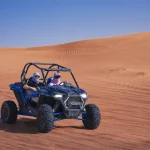
- Dune buggy rides
- Quad biking
- Sandboarding
These activities involve fast movements, steep dunes, and rough terrain. Pets cannot safely participate and may become frightened by the constant motion and loud vehicle noise.
2. Dune bashing can cause panic
Dune bashing is one of the most popular desert safari activities, but it is not suitable for dogs or cats.
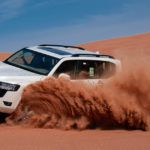
The vehicle climbs and descends steep dunes while making sudden turns across loose sand. These rapid movements can cause panic, stress, and motion sickness in animals. Unlike passengers, pets cannot understand what is happening, making the experience even more uncomfortable.
For this reason, pets are generally not allowed inside dune-bashing vehicles.
3. High temperatures make the desert uncomfortable
Dubai’s desert becomes extremely hot during most of the year.
Hot sand can burn sensitive paws, while the dry climate increases the risk of overheating. Even during cooler months, direct sunlight and limited shade can make long periods outdoors uncomfortable for pets.
4. Dust and sand can cause irritation
Fine sand is present throughout the desert.
Dust particles can irritate a pet’s eyes, nose, and respiratory system, especially during windy weather. Sand can also become trapped in their ears, paws, and fur, causing discomfort after the trip.
5. Shared camps have hygiene considerations
Most desert safari camps welcome many visitors every day. Guests share seating areas, dining spaces, restrooms, and entertainment venues.
Allowing pets in these common areas may create hygiene concerns and may not be comfortable for guests with allergies or those who are afraid of animals.
6. Safety comes before convenience
Even well-trained pets can react differently in an unfamiliar desert environment. Loud engines, moving vehicles, unfamiliar people, and wildlife can all create unexpected situations.
For both the pet’s safety and the comfort of other guests, most operators recommend leaving pets at home instead of bringing them on a desert safari.
Can You Bring Pets on a Desert Safari?
Usually no. Most desert safari operators do not allow pets on their regular tours because the experience involves shared transport, outdoor activities, and common camp facilities. The safety and comfort of both the pet and other guests are the main reasons behind this policy.
A private desert safari may be an exception. Some operators allow pets if the tour is booked privately and the itinerary can be adjusted to suit the animal. This varies between companies, so approval should always be obtained before confirming your booking.
Never assume that pets are allowed simply because you have booked a private tour. Every operator follows its own policies while complying with UAE regulations and safety requirements.
Which Desert Safari Activities Are Suitable for Pets?
Not every activity included in a desert safari is suitable for animals. Some involve high speeds and sudden movements, while others are calmer and may be possible on certain private tours.
| Activity | Suitable for Pets | Reason |
| Dune Bashing | No | Sudden movements and steep dunes can cause stress and motion sickness. |
| Quad Biking | No | Designed for riders only and not suitable for animals |
| Dune Buggy | No | High-speed off-road driving is unsafe for pets |
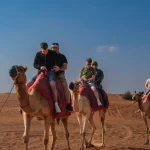
| Camel Ride | No | Not safe |
| Sandboarding | No | Designed for riders only and not suitable for animal |
| Desert Photography | Sometimes | Short stops may be suitable if the pet remains under control. |
| Desert Camp Visits | Sometimes | Depends on the operator and camp policy. Shared camps usually do not allow pets |
| Private Desert Safari | Sometimes | Possible if arranged as part of a private experience |
| Open Desert Sightseeing | No | May be allowed during a private tour, depending on the location and operator. |
Activities involving engines, loud noise, or fast movement are generally not suitable for pets. Quiet stops in the open desert are usually the safest option if an operator agrees to accommodate animals on a private tour.
Is the Desert Safe for Dogs and Cats?
No. Dubai’s desert is not a comfortable environment for most pets. High temperatures, dry weather, loose sand, and desert wildlife can all pose risks to dogs and cats. Even healthy pets may struggle to cope with these conditions, especially during the summer months.
While a short visit to the desert may be possible on some private tours, spending several hours outdoors is generally not recommended.
Heat
Heat is one of the biggest concerns in the desert.
During the day, temperatures can rise above 40°C, and the sand becomes much hotter than the surrounding air. Walking on hot sand can burn a pet’s paw pads within minutes. Prolonged exposure to the sun can also lead to overheating or heatstroke.
Signs of overheating include:
- Heavy panting
- Excessive drooling
- Weakness or tiredness
- Vomiting
- Difficulty walking
If a pet shows any of these signs, it should be moved to a cool place immediately and given water. Veterinary care may also be necessary.
Dehydration
The desert’s hot and dry climate increases the risk of dehydration.
Pets lose water quickly through panting, especially after walking or being exposed to direct sunlight. Without enough drinking water, dehydration can develop much faster than many owners expect.
Common signs include:
- Dry nose and gums
- Sunken eyes
- Loss of energy
- Excessive panting
- Reduced appetite
Fresh drinking water should always be available, along with regular breaks in a shaded area whenever possible.
Desert Wildlife
Dubai’s desert is home to a variety of native wildlife.
Although encounters are uncommon, pets may come across:
- Snakes
- Scorpions
- Desert foxes
- Lizards
- Insects
Most wildlife avoids people, but curious pets may try to chase or investigate animals hiding under rocks or bushes. This can result in bites or stings.
Keeping pets on a leash and under close supervision helps reduce these risks.
Sand and Dust
Fine sand is present almost everywhere in the desert.
Wind can carry dust into a pet’s eyes and nose, causing irritation. Sand may also collect inside the ears, between the paws, or in the fur after walking across the dunes.
Some pets, particularly those with breathing problems or allergies, may find dusty conditions uncomfortable.
After leaving the desert, check your pet’s eyes, ears, paws, and coat to remove any trapped sand
UAE Rules Pet Owners Should Know
Pet owners in the UAE are responsible for keeping their animals under control in public places. Before taking a pet on any outdoor trip, including a private desert safari, make sure all basic legal and safety requirements have been met.
Some operators may ask about these details before allowing pets on a tour.
1. Keep your pet vaccinated
Routine vaccinations help protect both your pet and other animals. Make sure vaccinations are up to date before travelling.
2. Microchip your pet
Dogs and cats in the UAE are generally required to be microchipped for identification. A registered microchip helps identify your pet if it becomes lost.
3. Use a leash or secure carrier
Pets should remain under control at all times. Dogs should stay on a leash, while smaller animals may be safer in a secure travel carrier during transport.
4. Clean up after your pet
Owners are responsible for cleaning up after their pets in public areas. Waste bags should always be carried during outdoor trips.
5. Respect protected desert areas
Some parts of Dubai’s desert are protected nature reserves. These areas may have additional rules to protect native wildlife and the environment. Always follow local regulations and avoid disturbing plants or animals.
6. Check the tour operator’s policy
Every safari company has its own rules regarding pets. Some do not allow animals under any circumstances, while others may consider requests for private tours.
Always confirm the policy before making a booking.
What to Pack for Your Pet
If a tour operator approves bringing your pet on a private desert safari, packing the right essentials is important. The desert has very little shade, high temperatures, and limited facilities, so everything your pet needs should be carried with you.
Here are the essentials to pack.
- Fresh Drinking Water
Carry more water than you think your pet will need. The hot weather can quickly lead to dehydration, especially during long periods outdoors.
- Portable Water Bowl
A collapsible or portable bowl makes it easy to give your pet water during breaks without creating a mess.
- Cooling Mat or Cooling Vest
A cooling mat or vest helps keep your pet comfortable while resting, particularly during the warmer months.
- Protective Paw Boots
The desert sand can become extremely hot during the day. Protective boots help prevent burns and make walking on rough sand more comfortable.
- Leash and Harness
Keep your pet on a leash at all times. A secure harness provides better control than a collar, especially in an unfamiliar environment.
- Waste Bags
Always carry waste bags and clean up after your pet. This helps maintain hygiene and keeps the desert clean for other visitors.
- Blanket or Pet Bed
A familiar blanket or portable pet bed gives your pet a comfortable place to rest during breaks.
- Food and Treats
Carry enough food and a few treats if the trip lasts several hours. Avoid leaving food exposed in the heat for long periods.
- Identification Tag
Make sure your pet wears an ID tag with your contact details. A microchip provides additional protection if your pet becomes separated from you.
Tips for Pet Parents Before Booking
Bringing a pet on a desert trip requires more planning than a regular safari. Speaking with the tour operator before booking helps avoid last-minute surprises and ensures the experience is suitable for everyone.
Confirm the operator’s pet policy
Do not assume pets are allowed because you are booking a private tour. Ask the operator for confirmation before making any payment.
Explain your pet’s details
Tell the operator about your pet’s:
- Species
- Breed
- Size
- Age
- Temperament
This helps them decide whether they can accommodate your request safely.
Share your planned activities
Let the operator know which activities you plan to join. Some experiences may need to be removed or adjusted if a pet is accompanying you.
Choose cooler times of the day
Early morning and late afternoon are generally more comfortable than midday, when temperatures and sand heat are at their highest.
Avoid summer afternoons
The desert can become extremely hot during the summer months. Even short periods outdoors may be uncomfortable for pets.
Never leave your pet alone
Pets should never be left inside a parked vehicle or unattended at a desert camp while participating in activities.
Watch for signs of stress
Heavy panting, drooling, restlessness, or unusual behaviour may indicate that your pet is becoming uncomfortable. If these signs appear, move your pet to a shaded area, offer water, and consider ending the trip early.
Have a backup plan
Even if a private safari allows pets, conditions on the day may change due to weather or safety concerns. Be prepared in case the operator advises against bringing your pet.
Frequently Asked Questions
Usually no. Most shared desert safari operators do not allow pets.
Sometimes. Some operators may allow pets on private tours with prior approval.
Usually no. Dune-bashing vehicles are not suitable for pets because of the rough and unpredictable movements.
No. The steep climbs, sudden descents, and sharp turns can cause stress, panic, and motion sickness.
Not generally. High temperatures, hot sand, dust, and desert wildlife make the environment unsuitable for most dogs.
Usually no. The noise, movement, and outdoor conditions can be stressful for cats.
Some private tour operators may consider requests. Always confirm their pet policy before booking.
Early morning or late afternoon offers cooler temperatures, but only if the operator allows pets and the trip is suitable for the animal.
Bringing a pet to Dubai’s desert is possible in some situations, but it is not recommended for most desert safaris. Shared tours usually do not allow pets because of other guests, safety concerns, and the nature of the activities. Even on private tours, approval depends on the operator, the itinerary, and current conditions.
The desert’s high temperatures, hot sand, dust, and adventurous activities can make the experience uncomfortable for dogs and cats. If a private operator agrees to accommodate your pet, proper preparation and following UAE regulations are essential.
For most pet owners, leaving their companion at home is the safest and most comfortable choice.
At Trawey Tours, the safety and comfort of both our guests and their pets come first. Most of our desert safari experiences involve activities such as dune bashing and shared camp facilities, making them unsuitable for animals. If you’re planning a private desert experience and would like to travel with a pet, our team can review your request and advise whether a suitable option is available.
Ready for a adventurous safari? Our team will help you choose the most suitable desert experience while ensuring the safety and comfort of everyone in your group.