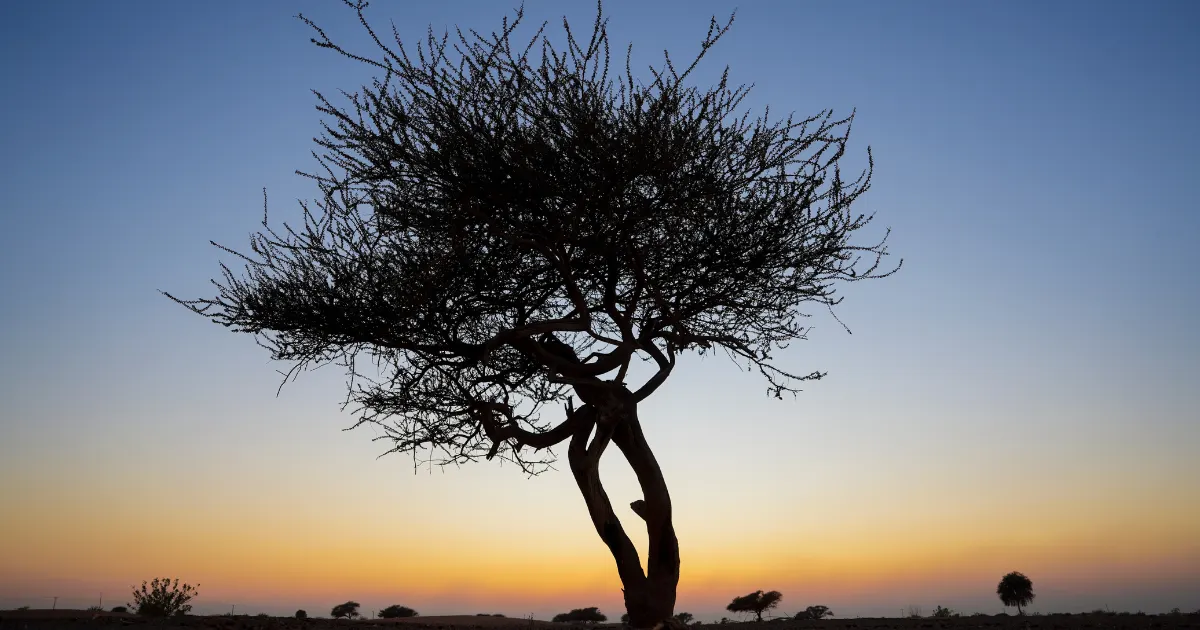
Dubai’s desert is home to many native plants, even though it receives very little rainfall and experiences extremely hot temperatures for most of the year. These plants have adapted to survive harsh desert conditions and continue to support the local ecosystem, wildlife, and culture.
Many people think the desert is just sand, but if you look closely, you’ll find trees, shrubs, and flowering plants growing naturally across the landscape. Each one has developed its own way of surviving with very little water.
In this article, we’ll explore the native plants found in Dubai, how they survive the harsh desert climate, why they are important to the UAE, and the conservation efforts helping to protect them.
Understanding the UAE’s Harsh Desert Climate
The UAE has one of the hottest and driest desert climates in the world. During summer, temperatures can rise above 45°C and sometimes even approach 50°C in some desert areas. Rainfall is very limited, and many parts of the country receive only a few days of rain each year.
The desert also experiences strong sunlight, dry winds, and low humidity. These conditions cause water to evaporate very quickly, making it difficult for most plants to survive.
Although the days are extremely hot, winter nights in the desert can become surprisingly cool. This means plants must adapt to both high daytime temperatures and cooler nights throughout the year.
Only plants with specialized survival features can grow naturally in these conditions. Some develop deep roots to reach underground water, while others store water inside their leaves or reduce water loss through their small leaves and slow growth.
These unique adaptations allow native desert plants to survive where most other plants cannot.
The Date Palm – A Lifeline in the Desert
The date palm is one of the most important plants in the UAE and has supported life in the region for thousands of years.
Long before modern cities were built, date palms provided food, shade, and shelter for people living in the desert. Their fruit became an important source of nutrition, while their leaves and trunks were used to build homes, fences, baskets, and other everyday items.
Today, date palms are widely grown across the UAE in farms, gardens, and oasis areas. Although they are often cultivated rather than growing wild, they remain one of the strongest symbols of life in the desert.
Date palms are well suited to hot climates because they have deep root systems that help them reach underground moisture. Their long leaves also allow air to circulate, helping the tree cope with high temperatures.
Even today, dates remain an important part of Emirati culture and are traditionally offered to guests as a symbol of hospitality.
The Ghaf Tree – The UAE’s Symbol of Resilience
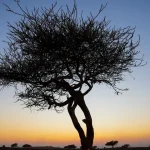
The Ghaf tree is the national tree of the United Arab Emirates and one of the most remarkable plants found in the desert.
Unlike many other trees, the Ghaf can remain green throughout the year, even during long periods without rainfall. Its roots can grow deep underground to reach hidden sources of moisture, allowing the tree to survive where very few others can.
For generations, Bedouin communities relied on the Ghaf tree for shade during long desert journeys. It also provided shelter for animals and became a natural meeting place in the open desert.
Today, the Ghaf tree continues to play an important role in protecting the desert ecosystem. It helps stabilize the soil, supports wildlife, and creates cooler areas where other plants and animals can survive.
Because of its importance, the Ghaf tree is protected by law in the UAE. Damaging or cutting down a Ghaf tree without permission is illegal, and several conservation programs, including the Give a Ghaf initiative, encourage communities to plant and protect this iconic desert tree.
Acacia Trees in the Desert Landscape
Acacia trees are another important part of the UAE’s desert ecosystem. They are commonly found in wadis, gravel plains, and other areas where a little more moisture is available.
These trees are easy to recognize by their spreading branches and small leaves. During the flowering season, they produce bright yellow flowers that attract insects and other wildlife.
Acacia trees also provide shade and shelter for birds, small mammals, and grazing animals. Their thorny branches help protect them from being eaten by herbivores, while their deep roots allow them to survive long periods without rain.
Although they may not be as well known as the Ghaf tree, Acacia trees play an important role in maintaining the desert ecosystem.
Aloe Vera – A Natural Water Store
Aloe vera is one of the best-known desert plants because of its ability to store water inside its thick, fleshy leaves.
Unlike many plants that rely on frequent rainfall, aloe stores water during the rare occasions when it rains. This stored moisture allows the plant to survive long dry periods without drying out.
Its thick outer layer also reduces water loss during the hottest months of the year.
Today, aloe vera is widely recognized for its use in skincare and traditional remedies, but it is also an excellent example of how desert plants adapt to extreme conditions.
Its ability to tolerate high temperatures and long periods without water makes it well suited to desert environments.
The National Flower – Tribulus omanense
Tribulus omanense is the national flower of the United Arab Emirates and one of the country’s most important native flowering plants.
It is a small desert plant that produces bright yellow, star-shaped flowers, adding colour to the desert landscape during its flowering season.
Despite its delicate appearance, this plant is extremely hardy. It grows naturally in dry, sandy soils where very few other flowering plants can survive.
Its deep roots help it reach underground moisture, while its small leaves reduce water loss during hot weather. Instead of growing continuously throughout the year, it takes advantage of cooler seasons and occasional rainfall to flower and reproduce.
Declared the national flower of the UAE in 1973, Tribulus omanense represents resilience, strength, and the ability to thrive in challenging environments.
Other Native Desert Plants Worth Knowing
While the Ghaf tree, date palm, and Tribulus omanense are among the best-known plants in the UAE, several other native species also play an important role in the desert ecosystem.
Pavonia arabica
Pavonia arabica is a rare native plant found in limited coastal and mountainous areas of the UAE. Although it is not commonly seen during desert safaris, it is an important part of the country’s natural biodiversity.
Grewia tenax
Grewia tenax is a drought-resistant shrub that grows well in dry conditions. It is valued for its ability to stabilize sandy soils and is sometimes used in land restoration and desert conservation projects.
Gymnarrhena micrantha
This small desert plant is listed as Critically Endangered on the UAE National Red List. Its declining population highlights the importance of protecting native plant species and preserving the country’s fragile desert ecosystem.
Although many travellers never notice these smaller plants, they are an important reminder that the UAE desert supports far more life than most people expect.
How Desert Plants Survive with So Little Water
Native desert plants have developed different ways to survive extreme heat, dry winds, and very little rainfall.
Some grow deep roots that reach underground moisture, while others spread their roots close to the surface to collect water quickly after rainfall.
Many plants also reduce water loss by producing small leaves, waxy surfaces, or tiny hairs that slow down evaporation.
The table below shows some of the common survival adaptations found in UAE desert plants.
| Plant | Survival Adoption | What it looks like |
| Date palm | Deep roots reach underground water. | Tall trunk with long green leaves. |
| Ghaf tree | Very deep root system and drought resistance. | Wide canopy that stays green throughout the year. |
| Acacia tree | Deep roots and protective thorns. | Small leaves with spreading branches. |
| Aloe vera | Stores water inside thick leaves | Fleshy green leaves |
| Tribulus omanense | Small leaves and deep roots reduce water loss. | Bright yellow flowers growing close to the ground. |
These adaptations allow native plants to survive where most other species would struggle, making the UAE desert a living ecosystem rather than just a landscape of sand.
Conservation Efforts Protecting UAE Plant Life
Many native desert plants are protected through conservation programmes across the UAE. These efforts help preserve the country’s natural heritage and ensure that future generations can continue to enjoy its unique desert ecosystem.
One of the best-known examples is the Ghaf tree, which is protected by law. Cutting, damaging, or removing a Ghaf tree without permission is illegal because of its environmental and cultural importance.
Several organizations also encourage people to plant native trees through initiatives such as the Give a Ghaf tree planting program. Schools, businesses, and local communities regularly take part in these projects to increase the number of native trees across the UAE.
Scientists also monitor native plant populations through the UAE National Red List, which identifies species that are threatened or endangered. Plants such as Gymnarrhena micrantha receive special attention because protecting them helps preserve the country’s biodiversity.
Alongside these programs, the UAE continues to promote native landscaping, water-saving irrigation methods, and habitat restoration projects that support local plant life while reducing water consumption.
Why Native Desert Plants Matter to Travelers
Learning about native plants gives you a completely different perspective on the Dubai desert.
Many first-time visitors see only the golden sand dunes, but once you understand the plants that grow there, you begin to appreciate that the desert is a living ecosystem rather than an empty landscape.
During a desert safari, you may notice a Ghaf tree standing alone in the distance, a group of date palms near an oasis, or small flowering plants growing after seasonal rainfall. These plants support birds, insects, and other desert wildlife while also reflecting the history and traditions of the UAE.
Understanding these native species also helps you appreciate how people and nature have adapted to life in one of the world’s driest environments.
The next time you visit the desert, take a moment to look beyond the dunes. You may discover that some of the most fascinating parts of the landscape are the plants quietly surviving against the odds.
Spot These Native Plants During Your Desert Safari
If you’re joining a Dubai desert safari, keep an eye out for these plants along the way.
| Plant | How it look like |
| Ghaf Tree | A wide green tree standing alone or in small groups across the desert. |
| DAte Palm | Tall palms usually found near farms, oases, or cultivated areas |
| Acacia | Thorny branches with a spreading canopy and small leaves |
| Tribulus Omanense | Small yellow flowers growing close to the ground during the flowering season. |
| Aloe Vera | Thick green leaves that store water, usually found in cultivated or protected areas |
Your safari guide may also point out some of these plants and explain how they survive in the harsh desert climate, adding another layer to your desert experience.
Dubai’s desert is much more than sand dunes and beautiful sunsets. It is home to a remarkable collection of native plants that have adapted to survive extreme heat, dry winds, and very little rainfall.
From the Ghaf tree and date palm to Tribulus omanense and other native species, each plant plays an important role in supporting wildlife, protecting the environment, and preserving the cultural heritage of the UAE.
At Trawey, we believe a desert safari is about more than adventure. It is also an opportunity to understand the desert’s unique ecosystem and appreciate the plants and wildlife that make this landscape so special. Knowing a little about these native species can make your journey through the Dubai desert even more meaningful.
Join a Trawey Dubai desert safari and discover not only the dunes, but also the unique plants, wildlife, and landscapes that make the UAE desert truly unforgettable.
Frequently Asked Questions
The Dubai desert is home to native plants such as the Ghaf tree, Acacia trees, Tribulus omanense, Grewia tenax, and several other drought-resistant species.
The Ghaf tree is the national tree of the UAE. It is protected by law and is known for surviving long periods of drought while supporting wildlife and local ecosystems.
The national flower of the UAE is Tribulus omanense, a hardy desert plant with bright yellow flowers.
They survive through deep root systems, water storage, small leaves, waxy coatings, and other adaptations that reduce water loss.
Yes. Some native species, such as Gymnarrhena micrantha, are listed as threatened and are protected through conservation programs.
The UAE protects native plants through legal protection for species like the Ghaf tree, the Give a Ghaf tree planting initiative, habitat restoration projects, and the UAE National Red List.