The deserts heat up quickly during the day and lose that heat just as quickly once the sun goes down. Combined with open spaces, low humidity, and evening winds, the temperature can feel much cooler than most visitors expect.
Most people preparing for a Dubai desert safari focus on one thing: the heat. They expect hot sand, strong sunlight, and high daytime temperatures. What many travelers do not expect is how quickly the desert starts feeling cooler after sunset, even during the summer months.
This does not mean the Dubai desert becomes freezing during summer. However, a light jacket, hoodie, or extra layer can make a big difference to your comfort during an evening or overnight safari.
In this article, we will explain why deserts become cooler after sunset, why the temperature change feels bigger than many tourists expect, who usually feels the cold most, what type of jacket works best, and how a few simple packing choices can make your desert safari much more comfortable.
Why Deserts Feel Hot During the Day but Cooler at Night
The main reason deserts feel hot during the day and cooler at night is because sand absorbs and releases heat very differently from cities.
During the day, direct sunlight heats the sand very quickly. Since deserts have very little shade, the ground continues absorbing heat throughout the afternoon. This is why desert temperatures can feel much hotter than many other places.
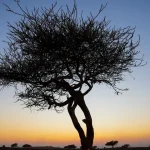
After sunset, the opposite happens. Sand does not hold heat for very long. Once the sun disappears, the stored heat starts escaping into the atmosphere. As a result, temperatures can drop much faster than people expect.
The open desert landscape also plays a role. Deserts also have lower humidity levels compared to coastal cities like Dubai. Without that moisture holding heat in the air, the temperature feels cooler much faster.
This natural heating and cooling cycle is one of the reasons desert weather feels very different from city weather.
The Temperature Drop Feels Bigger Than Tourists Expect
Many first-time visitors assume that summer heat continues long after sunset. Since Dubai can be extremely hot during the day, travelers often expect the evening to feel just as warm.
In reality, the temperature starts dropping surprisingly fast once the sun goes down.
The difference feels even bigger because the desert environment is very different from the city. Dubai City retains heat through roads, buildings, and infrastructure. The desert has none of these. Combined with lower humidity, the evening air often feels noticeably cooler.
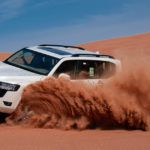
Activities can make this feeling stronger. During dune bashing, quad biking, or dune buggy rides, the moving air creates a cooling effect. Even on warm days, the wind hitting your body at speed can make you feel much colder than expected.
Desert camps are also located in open spaces. As guests sit outdoors enjoying dinner, cultural performances, and entertainment shows, they are exposed to the evening breeze for several hours. Many travelers who felt hot during the afternoon start looking for an extra layer once dinner begins.
Why Most Travelers Notice the Temperature Change During Evening Safaris
Evening desert safaris are where most people first notice how quickly desert temperatures change.
A typical evening safari begins around 3 PM when temperatures are still high. During pickup, highway travel, and the first desert activities, most guests are focused on staying cool.
However, by the time sunset arrives, the weather starts changing. As the evening continues, many visitors begin feeling cooler while watching performances, eating dinner, or relaxing at the camp.
Families often notice this change first. Children tend to feel the evening cold sooner than adults. Elderly family members may also become uncomfortable if they are sitting outdoors for long periods without an extra layer.
Many travelers arrive prepared for the afternoon heat but forget they will spend several hours in the desert after sunset. This is why a lightweight jacket often becomes one of the most useful items in their bag.
Overnight Desert Safaris Feel Even Colder
The temperature difference becomes even more noticeable during overnight desert safaris.
An evening safari usually lasts around 7 to 9 hours before guests return to the city. Overnight safari guests remain in the desert throughout the entire night and experience both the evening and early morning temperatures.
Since overnight camps and sleeping areas are located in open-air desert environments, guests are more exposed to wind and cooler air throughout the night.
This is why travelers joining an overnight safari should always bring an extra layer, even during summer. Being prepared makes the experience much more comfortable and allows guests to fully enjoy the peaceful desert atmosphere.
Who Usually Feels the Cold Most?
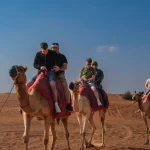
- Children: Children are usually the first to feel the evening temperature drop. Their bodies lose heat more quickly, especially after running around the camp, riding camels, or participating in activities.
- Elderly travelers: Elderly travelers are another group that often feels the cold more strongly. Sitting outdoors for several hours during dinner and entertainment can become uncomfortable without an extra layer.
- People wearing lightweight clothing: People wearing very lightweight summer clothing also tend to notice the temperature change more. Sleeveless tops, shorts, and thin fabrics work well during the afternoon but may not provide enough comfort later in the evening.
- Unprepared travelers: Travelers who arrive unprepared for evening weather often feel the difference the most. Even during summer, the contrast between daytime heat and nighttime temperatures can be surprising.
What Type of Jacket Should You Bring?
The evening desert temperatures usually do not require heavy winter clothing during summer.
A simple lightweight layer is often enough.
Good options include:
- A light hoodie
- A thin jacket
- A windbreaker jacket
- A lightweight zip-up sweater
- A light overshirt for layering
Windbreaker jackets are particularly useful because they help block the cool evening breeze during dune bashing, quad biking, and buggy rides.
The goal is not to stay warm in low temperatures. The goal is simply to stay comfortable during several hours outdoors after sunset.
What Happens If You Don’t Bring a Jacket?
The most common consequence is discomfort.
Many travelers feel perfectly comfortable during the afternoon but start feeling cold while sitting at the camp during dinner and entertainment shows.
For families, the impact is often greater. Children may become restless, uncomfortable, or tired more quickly when they feel cold. Some travelers even choose to leave activities earlier because they are no longer comfortable outdoors.
For certain people, prolonged exposure to cooler evening temperatures can also contribute to muscle stiffness, body aches, or minor cold symptoms after returning to the hotel.
A simple hoodie could have solved the problem.
Small Packing Choices That Improve the Experience
A few small packing decisions can make your safari significantly more comfortable.
Layered clothing works especially well because it allows you to adjust as temperatures change throughout the day.
Useful items include:
- A lightweight jacket or hoodie
- A light scarf or shawl
- Closed shoes for evening comfort and foot protection
- An extra layer for children
- A cap or light muffler for overnight safaris
- Comfortable clothing that can be layered easily
These items take very little space but can make a noticeable difference once the temperature starts dropping.
Summer vs Winter Desert Evenings: What’s the Difference?
During summer, desert evenings are usually cooler than people expect but rarely extremely cold. Most travelers remain comfortable with a lightweight jacket or hoodie.
Winter evenings are different. Temperatures can drop significantly after sunset, and early mornings can feel genuinely cold, especially for overnight safari guests.
No matter the season, bringing one extra layer is always better than wishing you had packed one.
Many travelers assume the Dubai desert stays hot all day and night. While the daytime heat is certainly intense, the desert changes quickly after sunset. Lower humidity, open landscapes, and evening winds can make the temperature feel much cooler than most visitors expect.
At Trawey, our guides often tell guests that evening safaris are actually one of the best ways to experience the desert during summer. Many travelers assume morning safaris are more comfortable, but the cooler temperatures, sunset views, and pleasant evening atmosphere often make evening experiences the preferred choice.
Are you ready for a comfortable desert safari?
Explore Trawey’s Dubai desert safari experiences and have unforgettable desert moments for couples, families, and groups.