Many parents worry about their toddlers breathing in sand and dust during a Dubai desert safari. For most healthy children, it is usually not a serious concern if you take a few simple precautions.
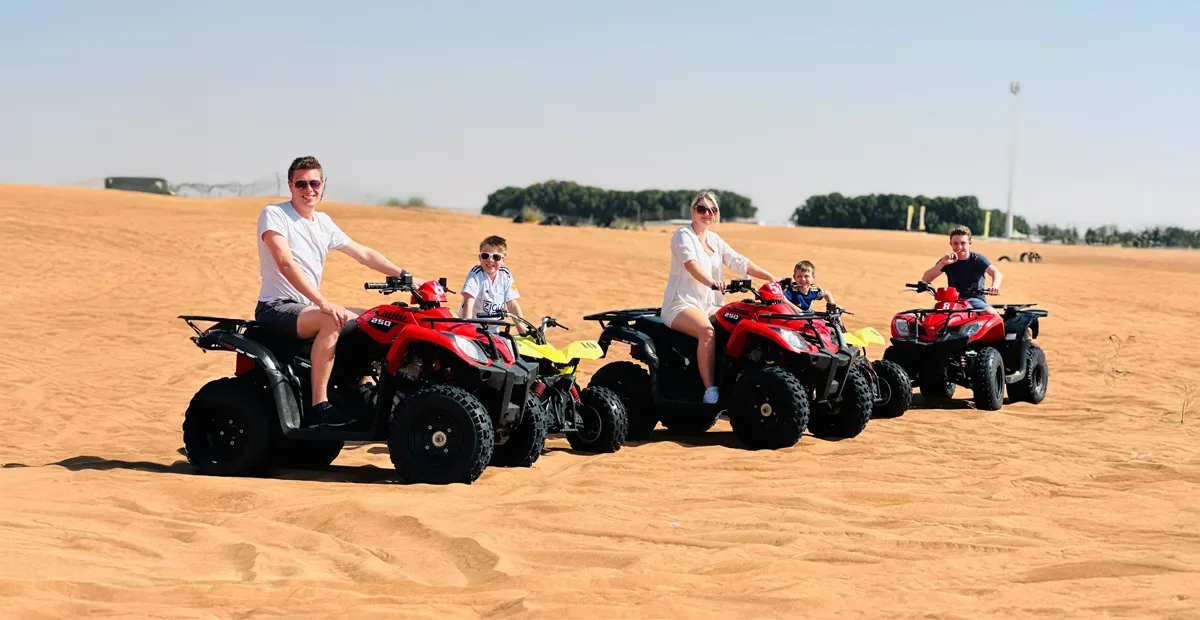
The desert is naturally dry, windy, and filled with loose sand. Activities such as dune bashing, quad biking, dune buggy rides, and sandboarding can stir fine dust into the air. Because toddlers are closer to the ground and have smaller airways, they can be more sensitive to dust than older children and adults.
You can reduce your child’s exposure by choosing a family-friendly desert safari, avoiding dusty conditions, and taking regular breaks when needed. Simple steps like these help keep your toddler comfortable and make the experience more enjoyable.
In this article, you’ll learn when dust exposure is most likely, why toddlers are more sensitive, how to reduce sand and dust exposure, what to pack, when to give your child a break, and how to choose the best desert safari for your family.
Is Sand Inhalation a Real Concern for Toddlers?
Yes, sand inhalation can be a concern for toddlers, but it is usually manageable with the right precautions.
Fine dust is a natural part of the desert environment, and mild dust exposure is common during any desert safari. Most healthy toddlers can enjoy the experience without problems, but parents should be aware that young children are more sensitive to dust than adults.
One reason is their height. Since toddlers are much closer to the ground, they are exposed to more of the fine dust that rises from the sand, especially when vehicles move across the dunes or people are walking and playing nearby.
Fine sand particles may also cause temporary irritation to the nose, mouth, eyes, or skin. This is more noticeable on windy days or in busy activity areas where several vehicles are moving at the same time.
While this is not dangerous for most healthy children, it is something parents should prepare for. A few simple precautions can significantly reduce your child’s exposure and help them stay comfortable throughout the safari.
When Does Dust Exposure Usually Happen?
Dust exposure is most common during activities where the sand is constantly moving.
Some of the situations where fine dust is more noticeable include:
- Dune bashing
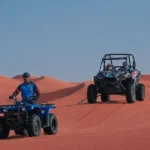
- Quad biking
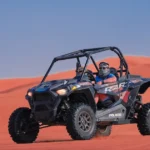
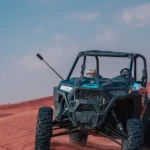
- Dune buggy rides
- Sandboarding
- Walking or playing on the dunes
- Busy activity areas with multiple vehicles
These activities naturally disturb the sand, causing fine dust particles to rise into the air. The faster the movement, the more dust is likely to be present.
Wind also plays a role. Even on days without a sandstorm, stronger desert winds can lift fine sand from the ground and carry it across open areas.
Why Toddlers Are More Sensitive Than Adults
Toddlers are more sensitive to sand and dust because their bodies are still developing.
Their airways are much smaller than an adult’s, so even small amounts of dust can cause temporary discomfort more easily.
Another reason is their height. Since toddlers are closer to the ground, they spend more time breathing the air where fine dust particles are most concentrated after the sand has been disturbed.
Young children also tend to breathe through their mouths while running, playing, or getting excited. This allows more dust to enter compared to breathing through the nose.
Unlike older children or adults, toddlers may not be able to explain exactly what they are feeling. Instead of saying that dust is bothering them, they may simply become fussy, rub their eyes, cough, or refuse to continue an activity.
This does not mean the desert is unsafe for toddlers. It simply means parents should pay closer attention to their child’s comfort and make small adjustments whenever needed.
The Best Ways to Reduce Sand and Dust Exposure
Parents can reduce sand and dust exposure by making a few simple choices before and during the safari.
Here are some of the best ways to keep your toddler comfortable:
- Stay away from quad biking and dune buggy tracks where more dust is generated.
- Use a lightweight cotton scarf or a breathable face covering if it becomes windy.
- Dress your child in lightweight clothing that covers their arms and legs.
- Keep them hydrated throughout the safari, as dry air can make the nose and throat feel uncomfortable.
- Take regular breaks in shaded or covered areas whenever possible.
- Limit the time spent outdoors if the wind becomes stronger.
- Choose a family-friendly or private desert safari instead of a busy shared tour.
Checking on your toddler regularly also helps. If they seem uncomfortable, taking a short break before continuing with the activities is often the best option.
Why Private Safaris Are Often Better for Families with Toddlers
A private desert safari gives families more flexibility, which can make the experience more comfortable for young children.
Unlike shared safaris, you don’t have to follow a fixed group schedule. If your toddler needs a short break, wants some water, or becomes uncomfortable because of the weather, you can adjust your plans more easily.
Private safaris also allow drivers to keep the dune driving gentle if you are traveling with small children. You can spend less time around busy activity areas and move to quieter parts of the desert whenever possible.
Another advantage is that you can reach the desert camp sooner without waiting for multiple hotel pickups or long stops. If your toddler becomes tired, you can also leave earlier without affecting other guests.
For many families, this flexibility makes the entire safari more relaxed and enjoyable.
Activities Parents May Want to Skip with Toddlers
Not every desert safari activity is suitable for toddlers, especially if they are sensitive to dust or loud environments.
Parents may consider skipping or limiting activities such as:
- Intense dune bashing
- Quad biking areas
- Dune buggy activity zones
- Sandboarding on steep dunes
- Spending long periods on exposed dune peaks during windy weather
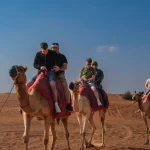
Instead, many families prefer gentle camel rides, spending time at the desert camp, watching cultural performances, taking photos, and letting children play in quieter areas of the desert.
What to Pack for Toddlers in the Desert
Packing the right essentials helps parents prepare for changing desert conditions and keeps toddlers comfortable throughout the safari.
We recommend bringing:
- Wet wipes and tissues
- A lightweight cotton scarf or children’s face covering
- A wide-brim hat or cap
- Child-friendly sunglasses if your toddler is comfortable wearing them
- Lightweight clothing that covers the arms and legs
- Sunscreen suitable for children
- A change of clothes
- Extra diapers if required
- Any regular medicines your child may need
- A favourite toy, blanket, or comfort item
- Light snacks for the journey
Having these essentials ready means you can focus on enjoying the safari instead of worrying about missing items.
Signs Your Toddler Needs a Break
Toddlers may not always be able to tell you when they are uncomfortable, so it is important to watch for small changes in their behaviour during the safari.
Some common signs include:
- Frequent coughing
- Rubbing their eyes often or having red, watery eyes
- Complaining about sand in their mouth or nose
- Becoming unusually fussy or irritable
- Looking tired much earlier than usual
- Refusing to join activities they were enjoying before
These signs do not always mean your toddler has inhaled too much dust. They can also be caused by heat, dry air, or spending too much time outdoors.
If you notice any of these signs, move your child to a shaded or covered area, offer them water, clean any sand from their face, and allow them to rest before continuing with the safari.
Should Parents Avoid Desert Safaris Completely with Toddlers?
No. A desert safari can still be a safe and enjoyable experience for toddlers if parents plan ahead and choose the right type of tour.
Many families visit the Dubai desert every year with young children and have a comfortable experience. The key is understanding the environment and taking simple precautions to reduce unnecessary dust exposure.
Choosing a family-friendly or private safari, avoiding activities that create heavy dust, packing the right essentials, and taking breaks whenever needed can make a big difference.
Parents do not have to participate in every activity. If your toddler is sensitive to dust or becomes uncomfortable, it is perfectly fine to skip more intensive activities and spend more time relaxing at the desert camp or enjoying quieter parts of the safari.
The goal is not to do everything. It is to choose the activities that best suit your family’s comfort.
A Dubai desert safari can be a wonderful experience for families with toddlers when the trip is planned with their comfort in mind.
Fine sand and dust are a natural part of the desert, but for most healthy children, they are not a major concern if parents take a few simple precautions. Choosing the right safari, avoiding busy activity areas, packing suitable clothing, and paying attention to your child’s comfort can make the experience much more enjoyable.
At Trawey, we always recommend choosing a family-friendly desert safari that matches your child’s age and comfort level. For families with toddlers, a private desert safari is often the better option because it offers more flexibility, a gentler pace, and the freedom to adjust the experience whenever needed.
Planning a Desert Safari with Your Toddler?
Explore Trawey’s family-friendly and private desert safari experiences and choose the option that best suits your family’s comfort and travel style.
Frequently Asked Questions
Is a desert safari safe for toddlers?
Yes. Most healthy toddlers can safely enjoy a desert safari if parents choose a family-friendly tour and take simple precautions.
Can toddlers inhale desert sand?
Yes. Fine dust is common in the desert, but small amounts are usually not harmful for healthy children. Simple precautions can help reduce exposure.
Should toddlers wear a face covering during a desert safari?
Yes, if it is windy. A lightweight cotton scarf or breathable face covering can help protect them from dust and sand.
Is dune bashing suitable for toddlers?
Not always. Many parents prefer gentle dune driving or choose to skip intense dune bashing for younger children.
What should parents pack for toddlers in the desert?
Bring water, snacks, sunscreen, a hat, a lightweight scarf, spare clothes, wet wipes, any regular medicines, and a comfort toy or blanket.
Are private safaris better for families with toddlers?
Yes. Private safaris offer more flexibility, gentler driving, easier breaks, and a more comfortable experience for young children.
What activities should toddlers avoid during a desert safari?
Parents may want to skip intense dune bashing, quad biking areas, dune buggy zones, and other activities that create heavy dust or involve fast movement.