Most first-time visitors spend hours researching what to wear in the desert, whether they should carry a jacket, or what food is served at the camp. While those details matter, they are rarely the things that determine whether your desert safari feels amazing, stressful, or disappointing.
The reality is that your experience is often shaped by factors most travel blogs barely mention. Who will be sharing the vehicle with you? How many hotel pickups happen before you even reach the desert? How much time is spent driving compared to actual desert activities? What happens if someone in your vehicle gets motion sickness? How crowded will the camp be when hundreds of guests arrive at the same time?
These are the details that first-time visitors usually discover only after they are already sitting in the back of a 4×4 crossing the Dubai highways toward the desert.
In this guide, we will walk through the realities of a Dubai desert safari that most travelers never hear about before booking. We will explain how safari timings actually work, why shared and private experiences can feel completely different, what families should know before arriving, how camps operate during busy periods, and the small decisions that can significantly improve your overall experience.
Why Your “5-Hour Safari” Often Turns Into an 8-Hour Experience
Most safari itineraries focus on the activities and give a total duration, but they rarely explain where all those hours actually go.
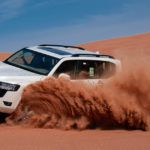
A typical afternoon desert safari starts with hotel pickups across different parts of Dubai. Depending on your location and the pickup order, you may spend considerable time collecting other guests before the vehicle even leaves the city. After that comes the highway drive toward the desert, a stop to prepare vehicles for dune driving, and then the actual desert activities.
For example, a guest staying in Downtown Dubai might be picked up around 2:30 PM. After multiple pickups, the group may not reach the desert until well after 4:00 PM. Dune bashing, photo stops, camel rides, camp activities, dinner, cultural performances, and final drop-offs can easily extend the experience until 10:00 PM or later.
This is not necessarily a bad thing. Most travelers enjoy the full experience. However, understanding the real timeline helps you plan your day properly and avoid unrealistic expectations.
Private desert safaris work differently. Since there are no multiple pickups or drop-offs, you can often head directly toward the desert, spend more time on the activities you enjoy, and customize the overall schedule around your group.
The People in Your Vehicle Can Change the Entire Experience
One detail many first-time visitors never consider is that the people sharing the vehicle with you can influence the safari more than you expect.
Imagine a vehicle carrying a thrill-seeking couple, a traveller who gets motion sickness easily, a family with young children, and an elderly guest who prefers a gentler ride. Everyone wants a different experience, but the driver has only one route and one vehicle to manage.
This can affect how aggressively the dunes are driven, how long photo stops last, how quickly activities move, and even the atmosphere inside the vehicle.
Shared safaris work well for many travellers, but they naturally require compromise. Private safaris remove those compromises. Families can move at their own pace, adventure lovers can request a more exciting dune-bashing experience, and older travellers can enjoy a slower and more comfortable journey.
Motion Sickness Is More Common Than Most People Admit
Many first-time visitors worry that they are the only ones concerned about motion sickness. In reality, it is one of the most common issues drivers encounter during desert safaris.
The combination of soft sand, steep dunes, sharp turns, heat, and vehicle movement can affect even people who normally have no problems during regular road travel.
The good news is that feeling uncomfortable during dune bashing is completely normal and nothing to be embarrassed about.
A few simple preparations can make a significant difference:
- Eat a light meal before the safari rather than a heavy lunch.
- Stay hydrated throughout the day.
- Sit toward the front of the vehicle if possible.
- Avoid looking down at your phone during dune bashing.
- Inform your driver before the activity begins if you are prone to motion sickness.
- Carry any motion sickness medication you normally use.
Most importantly, tell the driver early if you begin feeling unwell. Drivers are accustomed to adjusting the experience when needed.
The Reality of Desert Camps Is Different From Social Media
Social media often shows empty dunes, perfectly arranged tables, and uninterrupted sunset views. Real desert camps can look quite different, especially during peak tourist seasons.
Many camps welcome large numbers of guests at roughly the same time. This means buffet queues, waiting times for activities, and competition for the best seating during live performances.
That does not mean the experience is poor. It simply means expectations should match reality.
If you want better seating for the evening performances, arrive at the dining area early. If traveling with children or elderly family members, consider choosing seats slightly away from the speakers, as some performances can be quite loud.
The best camps still offer excellent food, entertainment, and atmosphere, but understanding that you are sharing the experience with many other visitors helps avoid disappointment.
Bathroom and Baby Logistics Matter More Than You Expect
This is one of the least glamorous topics, but it can have a major impact on your safari experience.
Once you leave the paved roads and head into the dunes, restroom options become very limited until you reach the camp. For that reason, the last proper restroom stop before dune bashing is often more important than first-time visitors realize.
During busy periods, camp facilities may also experience queues and may not always be as pristine as they appear in promotional photos.
For families traveling with children, elders, or anyone requiring frequent restroom access, it is worth planning ahead.
Consider:
- Asking the driver for one final restroom stop before entering the desert.
- Carrying wet wipes and tissues.
- Bringing a small hand sanitizer.
- Packing a spare outfit for younger children.
- Keeping essential baby items easily accessible rather than stored deep inside bags.
Private safaris offer additional flexibility because restroom stops can be adjusted around your group’s needs.
Kids Often Crash Right When the Evening Starts
Many parents expect children to become tired after dinner. In reality, the energy crash often happens much earlier.
After the excitement of dune bashing, outdoor activities, desert heat, and constant movement, many children begin feeling exhausted just as the evening camp activities are starting.
This usually happens around the period between sunset and dinner when children are simultaneously hungry, tired, and overstimulated.
To help avoid meltdowns:
- Bring familiar snacks from home.
- Encourage regular hydration throughout the afternoon.
- Allow short breaks between activities.
- Avoid overscheduling every available add-on.
- Be prepared to skip part of a show if your child needs rest.
Families with very young children may also find private or family-focused safaris more comfortable because they offer greater flexibility and fewer waiting periods.
Photography Expectations vs Reality
The desert can be incredibly photogenic, but first-time visitors should know that the perfect photos seen online often involve timing, patience, and sometimes private access.
Popular sunset stops are usually shared with many other visitors. During busy periods, dozens of people may be standing on the same dune trying to capture the same sunset.
Dust, wind, crowds, and limited stop durations can also affect photography opportunities.
A few simple tips can improve your results:
- Ask your guide if there is a quieter photo spot nearby.
- Turn off flash during sunset shots.
- Use portrait mode for people.
- Use wide-angle mode for landscapes.
- Clean your camera lens regularly because desert dust accumulates quickly.
- Take photos slightly before sunset rather than waiting until the sun disappears.
Travelers who are serious about photography often enjoy sunrise experiences or private safaris where stops can be customized.
Weather Delays and Last-Minute Changes Can Happen
Desert safaris operate outdoors, which means weather conditions can occasionally affect plans.
Strong winds, reduced visibility, unexpected rain, or safety concerns may lead operators to adjust certain activities. Dune bashing routes can change, performances may be shortened, and schedules may shift.
This is why reading cancellation, rescheduling, and weather policies before booking is important.
Good operators communicate changes clearly and prioritize safety over sticking rigidly to an itinerary. Understanding these possibilities before your safari helps prevent frustration if plans need to be adjusted.
One Small Upgrade Can Completely Change Your Experience
Many travelers assume upgrades are only about luxury. In reality, some upgrades simply improve comfort and flexibility.
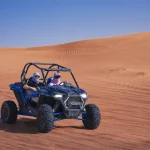
For example, if quad biking is your favorite activity, extending the ride to a full hour may provide more value than several smaller add-ons combined.
Likewise, upgrading to a private safari often changes the experience far more than people expect. You avoid waiting for multiple pickups, enjoy a schedule tailored to your group, choose your pace, and spend more time on the activities that matter most to you.
Sometimes the best upgrade is not the most expensive one. It is simply the option that matches your travel style.
A Dubai desert safari is often one of the most memorable experiences visitors have during their trip. But the best safari is not necessarily the cheapest, the most extreme, or the one with the longest list of activities.
The best safari is the one that matches your comfort level, your group, your expectations, and the kind of memories you want to create.
At Trawey, we help first-time visitors understand these differences before they book. Whether you are traveling with young children, elderly family members, adventure seekers, or first-time desert explorers, our goal is to help you choose the safari that genuinely fits your needs rather than simply selling the most popular option.
Ready for Your First Desert Safari?
Speak with the Trawey team and let us help you choose the right desert safari for your group, budget, and comfort level.