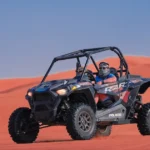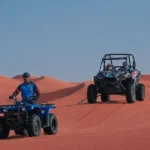
The third row in a desert safari vehicle is usually the least comfortable seating area for travelers who experience motion sickness. During dune bashing, the back row experiences stronger movement, sharper jolts, and more bouncing compared to the front and middle rows. For people sensitive to motion, this can quickly lead to nausea, dizziness, and severe headaches.
That is why many experienced desert safari operators recommend front- or middle-row seating for guests with motion sickness concerns.
In this article we discuss what motion sickness is, why the third row is not recommended, practical tips to reduce symptoms, which seat is considered the best, and how to plan a comfortable desert safari in Dubai regardless of your sensitivity level.
What Is Motion Sickness?
Motion sickness happens when the brain receives conflicting information from the body’s sensory systems. The brain becomes confused about how the body senses movement versus what the eyes see. This mismatch produces the familiar symptoms of nausea, dizziness, and discomfort.
Your body mainly relies on three systems to understand movement:
- Your inner ear
- Your eyes
- Your muscles and joints
When these systems send signals that do not match — for example, during the unpredictable climbs and drops of dune bashing — the brain becomes confused, and motion sickness symptoms follow.
Why Motion Feels Stronger in the Third Row
Desert safari vehicles — typically 4×4 SUVs like the Toyota Land Cruiser or Nissan Patrol — are purpose-built to handle steep dunes and uneven desert terrain. During dune bashing, the vehicle constantly climbs steep inclines, tilts sideways, and makes sudden turns and stops.
The back row reacts more intensely to these movements because it sits farther from the vehicle’s center of balance. This creates:
- Stronger vertical bouncing
- More side-to-side sway
- Delayed body movement reactions
- Increased shaking over rough dunes
The further you sit from the vehicle’s pivot point, the more amplified every movement becomes — making the third row the most physically demanding position in the vehicle for any passenger, and particularly difficult for those prone to motion sensitivity.
Why Front and Middle Seats Feel More Comfortable
Front-row passengers benefit from both forward visibility and proximity to the vehicle’s center of balance. Being able to clearly see upcoming dunes, vehicle direction, and sudden turns helps the brain prepare for movement changes — which significantly reduces motion sickness symptoms.
The front and middle rows typically experience:
- Less aggressive bouncing
- Reduced shaking
- Better suspension balance
- Smoother turning motion
Third-row passengers, by contrast, often experience:
- Restricted forward visibility
- More unpredictable and delayed motion sensations
- A stronger mismatch between what the body feels and what the eyes see
This sensory mismatch is one of the primary triggers of motion sickness — and it is most pronounced in the back row.
Who Should Avoid the Third Row During Dune Bashing
The third row may not be suitable for:
- Travelers with a history of motion sickness
- Elderly passengers
- Pregnant women
- People with back or neck pain
- Children who get dizzy easily
- Travelers recovering from illness or injury
- Guests who feel anxious during off-road driving
Families traveling with children are especially encouraged to discuss seating arrangements at the time of booking. Our desert safari guide for families covers everything parents should plan for — including car seat availability and age-appropriate activity recommendations. It is also worth confirming whether your operator provides car seats for young children before confirming your booking.
For pregnant travelers or guests with specific medical concerns, our essential health and safety tips for your Dubai desert safari explains which activities require extra care and when to opt out of dune bashing entirely.
Best and Worst Seats for Motion Sickness
| Seat Position | Motion Sickness Risk | Reason |
|---|---|---|
| Front passenger seat | Lowest | Best road visibility and smoothest movement |
| Middle row centre | Low | Better balance and reduced bouncing |
| Middle row side | Moderate | Slightly more side-to-side movement |
| Third row | Highest | Strongest bouncing and weakest forward visibility |
Does Every Desert Safari Feel the Same?
No — not every desert safari delivers the same intensity of movement. The dune bashing experience can vary significantly depending on a range of factors:
- Driver style and experience
- Dune conditions on the day
- Weather and sand firmness
- Vehicle type and suspension setup
- The tour package you select
Some safaris are gentle and well-suited to families, elderly guests, and first-time visitors. Others are adventure-focused with high-speed dune runs and steep descents. Understanding the difference before you book is important.
Travelers with motion sickness are generally better suited to:
- Family-friendly gentle desert safaris — lower speed, more gradual dunes
- Private desert safaris — fully customizable pace and itinerary, where the guide adjusts intensity to your comfort level throughout
- Desert safari without dune bashing — a growing number of packages allow guests to skip the off-road drive entirely and still enjoy the full camp experience
For a full comparison of what each package type actually involves, see our evening vs morning desert safari guide and our private vs shared desert safari comparison.
Practical Tips to Reduce Motion Sickness During a Desert Safari
If you are concerned about feeling unwell during the drive, these precautions — divided by phase — can make a significant difference.
Before the Safari
- Avoid heavy, oily, or spicy meals; eat light before departure
- Stay well hydrated throughout the day
- Do not travel on a completely empty stomach
- Take motion sickness medication at least 30 minutes before your journey begins
- Get adequate sleep the night before the tour
For guidance on what to eat and drink before your safari, including hydration tips specific to the Dubai desert climate, see our desert safari preparation guide.
During Dune Bashing
- Request front or middle-row seating in advance — not on the day
- Keep your eyes focused forward on the horizon
- Avoid using your phone during the drive
- Do not read during the ride
- Breathe slowly and steadily
- Inform your guide immediately if you begin to feel unwell — experienced guides can pause the activity safely
After Dune Bashing
Most desert camps allow guests to rest comfortably, drink water or tea, and recover before activities begin. Many travelers feel entirely normal again within 15–20 minutes of the drive ending. The camp itself — with its authentic Emirati cultural experiences, food, and performances — is fully enjoyable regardless of how the dune bashing portion felt.
Can You Request Better Seats in Advance?
Yes. Many professional desert safari operators allow guests to request preferred seating when notified before pickup. Trusted operators typically prioritize seating requests from:
- Elderly travelers
- Families with young children
- Pregnant women
- Guests with medical concerns
- Travelers prone to motion sickness
However, seating availability is limited — early requests matter. This is particularly true on shared group tours where vehicle allocation happens in advance. On a private desert safari, preferred seating is simply confirmed as part of the booking — no competition, no uncertainty.
Booking with experienced operators also matters because trained drivers know how to adjust driving intensity, manage passenger comfort throughout the ride, and handle medical situations calmly and safely. Our guides at Trawey have over seven years of professional desert driving experience and are trained to respond to guest discomfort promptly.
Is a Desert Safari Still Worth It for People With Motion Sickness?
Yes — for most travelers, a desert safari remains one of the best experiences Dubai offers, even for guests who are sensitive to motion.
The key is preparation: informing your operator in advance, choosing the right package type, requesting the appropriate seating, and knowing that opting out of dune bashing does not mean missing out on the full experience.
Even without aggressive dune bashing, guests can still fully enjoy:
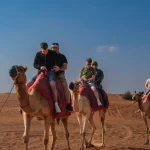
- Camel rides across the golden sand
- Sunset photography in the dunes
- Live cultural performances including Tanoura and belly dance
- Authentic BBQ dinners
- Stargazing after dark
- Henna, falconry, and sandboarding
For guests who want the full desert atmosphere without the physical intensity of off-road driving, our evening desert safari with BBQ dinner offers the complete cultural and culinary experience at a comfortable pace.
At Trawey Tours, we encourage every guest with health concerns — motion sickness, back pain, pregnancy, or anxiety about off-road driving — to share those details before booking. Our customer care team will guide you through the right package, confirm seating preferences, and make sure the experience works for your group.
Summary: Third Row vs Other Seats for Motion-Sensitive Travelers
The third row is the least comfortable seating position for motion-sensitive passengers because it experiences:
- Stronger vertical bouncing
- Sharper and more unpredictable movement
- Reduced forward road visibility
- Greater sensory mismatch between what the body feels and what the eyes see
For most motion-sensitive travelers, choosing the front or middle row makes the journey significantly smoother and more enjoyable. Communicating this preference to your operator before the day of the tour is the single most effective step you can take.
Planning a comfortable desert safari in Dubai?
Talk to Trawey Tours before booking — our team helps you choose the right package, seating arrangement, and pace to make your desert experience safe, enjoyable, and exactly as you hoped.