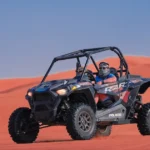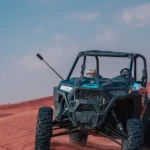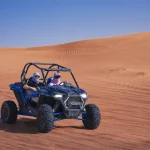
Safety features like roll cages and GPS tracking are mandatory for licensed operators in the UAE. These systems ensure that passengers can enjoy the adventure while staying protected at all times.
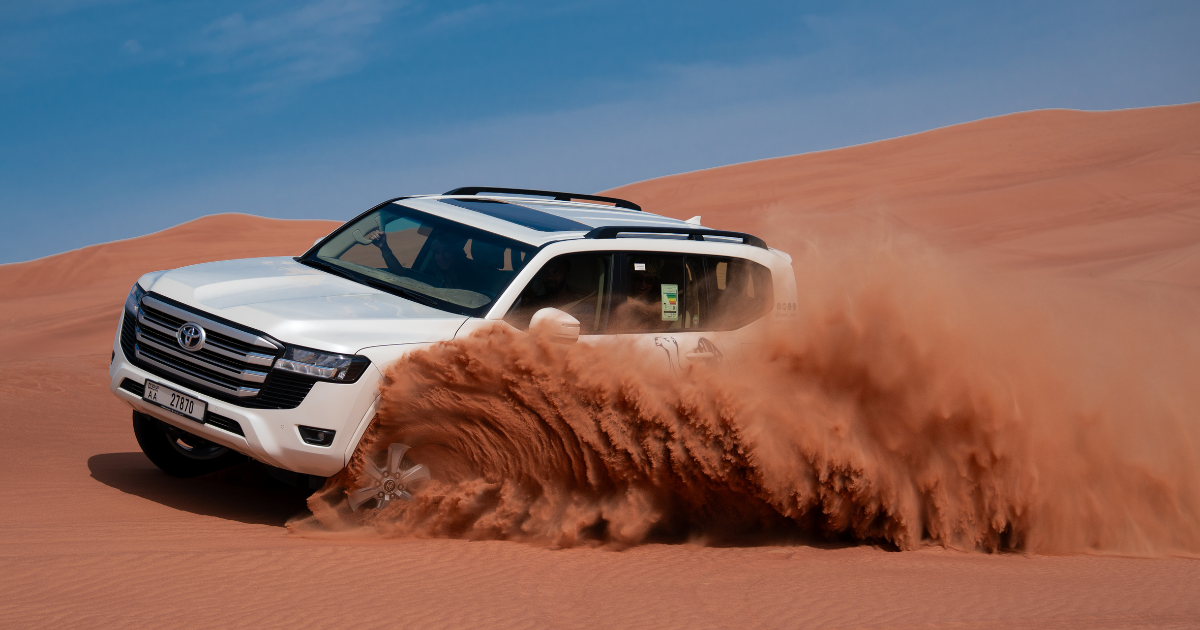
Desert safaris are one of the most popular experiences in the United Arab Emirates, especially around Dubai. Dune bashing — an exhilarating off-road ride over high sand dunes reaching 100–300 meters with steep angles of up to 45 degrees — is the most recommended activity in any safari.
While the experience is thrilling, it comes with real risks. All safari vehicles are specially modified and strictly regulated by authorities including the Roads and Transport Authority (RTA) and the Department of Economy and Tourism (DTCM).
In this article, we discuss why safety measures are mandatory in safari vehicles, what a roll cage is, the safety benefits of GPS systems, and the full safety standards that govern desert safaris in the UAE.
Why Safety Features Are Essential for Safari Vehicles
The desert terrain is unpredictable, with steep climbs, sharp drops, and constantly shifting sand. This is why safari vehicles must be equipped with advanced safety systems — and why experienced, licensed drivers are a non-negotiable part of every professional desert safari.
Main risks during dune bashing:
- Vehicle rollovers — driving on steep dunes can cause vehicles to tilt or flip if not handled correctly
- Sand entrapment — vehicles can get stuck in deep sand, leading to overheating if not resolved quickly
- Navigation challenges — the desert has no clear roads or landmarks, making it easy to lose direction without proper systems
- Emergency delays — without tracking systems, rescue teams may take significantly longer to locate a vehicle in distress
Because of these factors, safari vehicles must be equipped with advanced safety systems to protect passengers and ensure a rapid response in any situation.
Roll Cages: Protecting Passengers During Off-Road Driving
Roll cages are one of the most important safety features in desert safari vehicles. They are specifically designed to protect passengers in the event of a rollover — the most serious risk during high-intensity dune bashing.
What Is a Roll Cage?
A roll cage is a strong steel frame installed inside the vehicle cabin. Unlike standard car frames, roll cages add substantial reinforcement around the passenger area — maintaining the structural integrity of the vehicle even if it flips or rolls over completely.
How Roll Cages Improve Safety
Roll cages play a critical role in reducing injury during off-road driving.
Key safety benefits:
- Prevent the roof from collapsing during a rollover
- Protect passengers from impact with the ground or surrounding surfaces
- Maintain safe space inside the cabin throughout any incident
- Significantly reduce the risk of serious or fatal injuries
These cages are tested for extreme conditions and are required for all vehicles operating in regulated desert safari zones — including the Al Lahbab Red Dunes, the primary location for Dubai desert safari dune bashing experiences.
Common vehicles used:
- Toyota Land Cruiser
- Nissan Patrol
Both are modified specifically for desert conditions and must meet strict safety standards before approval for safari use. Understanding what makes these vehicles different from regular SUVs helps travelers appreciate why choosing a licensed and professional safari operator matters so significantly.
GPS Systems in Desert Safari Vehicles
GPS systems are equally essential, ensuring both safety and operational coordination throughout the safari. In a vast, open desert with no roads or landmarks, knowing the precise location of every vehicle at all times is critical.
Navigation in the Desert
The desert has no road signs, paved paths, or clear directional markers. GPS systems keep drivers on approved routes and away from unsafe terrain.
Why GPS is important:
- Prevents vehicles from getting lost in unmarked desert territory
- Helps maintain safe, pre-approved driving paths
- Ensures full compliance with regulated safari zones
Emergency Tracking and Communication
In any emergency, GPS systems allow immediate and accurate location identification.
Key features:
- Real-time location sharing with base operations teams
- SOS alerts for immediate emergency assistance
- Significantly faster rescue response in case of breakdown or accident
This system is especially critical in remote desert areas — one of the key reasons the safety standards at reputable safari operators are far more rigorous than many travelers realize.
Route Planning and Convoy Monitoring
Safari tours operate in convoys, and GPS helps manage these movements efficiently and safely.
How it helps:
- Tracks distance between vehicles within the convoy
- Ensures safe convoy spacing throughout the entire route
- Monitors route compliance in real time from base
This level of operational control adds a critical extra layer of safety for all passengers — including families with children and senior travelers.
Other Important Safety Features
In addition to roll cages and GPS, licensed safari vehicles include several further safety systems — all required or standard in compliant operations.
| Feature | Purpose | Regulatory Status |
|---|---|---|
| 5-Point Seatbelts / Harnesses | Keep passengers secure during movement | Mandatory |
| Tire Pressure Control Systems | Prevent tire issues on hot sand | Standard equipment |
| First Aid Kits | Provide immediate medical response | DTCM required |
| Fire Extinguishers | Handle engine or fuel-related fires | Mandatory |
| Two-Way Radios | Communication between drivers | Standard |
| Kill Switches | Emergency shutdown of vehicle | Safety feature |
These features work together to create a safe and controlled environment throughout the entire safari experience. Travelers with specific medical needs should ask operators about first aid provisions and vehicle access arrangements before booking — read our guide on managing health considerations during a desert safari for more detail.
Professional Safety Standards for Desert Safaris
Licensed desert safari operators in Dubai must follow strict rules set by the RTA and DTCM to legally operate passenger safari experiences.
Key requirements include:
- Special safari driving permits requiring formal training and practical testing
- Regular vehicle inspections for full safety compliance before each season
- Mandatory installation of roll cages and GPS tracking systems in all passenger vehicles
- Comprehensive passenger insurance coverage for every booking
Operators must use only registered vehicles and display valid licenses at all times. These regulations ensure that only trained professionals handle desert safari experiences — which is why verifying licensing status is the single most important check any traveler can make before booking.
Tips for Travelers Choosing a Safe Safari
Choosing the right safari operator is as important as any safety feature built into the vehicle itself. Not all tours follow the same standards.
Before Booking — What to Verify:
- Valid RTA and DTCM license displayed by the operator
- Use of properly modified vehicles, not standard road SUVs
- Confirmed presence of roll cages and full safety equipment
- GPS tracking system installed and active in all vehicles
During the Safari — What to Follow:
- Always wear your seatbelt or harness for the entire dune bashing section
- Listen carefully to the driver’s full safety briefing before departure
- Avoid carrying loose items inside the vehicle during active dune driving
- Inform the driver immediately if you feel uncomfortable at any point
Read our full guide on what makes a Trawey desert safari different to understand exactly what a properly run, safety-first operation looks like in practice.
How Trawey Ensures Safari Safety
At Trawey Tours, the safety of every visitor is the foundation of every desert safari experience.
What every Trawey safari includes:
- RTA-registered vehicles with certified roll cages and active GPS tracking
- Professional drivers holding valid safari driving permits
- Pre-tour vehicle safety inspections before every departure
- Full passenger insurance coverage throughout the experience
- Comfortable, accessible seating suitable for families and senior travelers
Roll cages and GPS systems are the backbone of safe desert safari operations in the UAE. They protect passengers during off-road driving and ensure that professional help is always within reach if anything goes wrong.
With strict government regulations and advanced safety systems now standard across all licensed operators, dune bashing has become a well-managed adventure that can be enjoyed by people of a wide range of ages and abilities.
Safety is not just a regulatory requirement — it is a responsibility to every person who trusts you with their experience.
Ready to explore the desert safely?
Book your desert safari with Trawey Tours for a thrilling, well-protected, and truly memorable adventure in the Dubai desert.