In simple terms, most adults should drink about 1.5 to 2 liters of water over six hours, spread evenly throughout the trip. That’s roughly 250 – 300 ml every hour.
It sounds manageable, but many travelers underestimate how quickly dehydration can happen in the desert. The heat, dry air, wind, and constant movement mean you lose water even when you don’t feel sweaty. Knowing how much to drink, and when, helps you stay comfortable, alert, and able to enjoy the full safari experience.
This guide explains why hydration matters, how much water different travelers need, and simple tips to avoid dehydration during a 6-hour safari. For a broader overview of desert well-being, read our essential health and safety tips for your safari .
Why Hydration Matters During a Desert Safari
Desert environments affect the body differently than cities or coastal areas.
Key reasons dehydration happens faster in the desert:
- High temperatures increase fluid loss from your body.
- Dry air pulls moisture from your skin and breath.
- Wind and sun exposure speed up dehydration.
- Excitement and activities distract you from drinking.
Even if your skin feels dry, your body is still losing water through breathing and light sweating. When you don’t drink enough water, you may experience fatigue and low energy, headaches, dizziness or lightheadedness, and reduced focus and enjoyment. Good hydration keeps your body cool and your safari comfortable.
How Much Water Do You Really Need for a 6-Hour Safari?
For most adults, a safe and practical guideline is 1.5 to 2 liters of water over 6 hours. That equals 250–300 ml per hour.
Taking small sips of water regularly, not only when you feel thirst, helps you to maintain the water level in your body.
Helpful hydration timing:
- Drink one glass of water before pickup.
- Start sipping early, not only when you feel thirsty.
- Continue drinking steadily throughout the safari.
Many safari operators provide water, but it’s still smart to carry your own refillable bottle, especially during busy or hot days.
Water Intake by Traveler Type
Different people have different hydration needs. Here’s a simple breakdown.
Adults Most adults should aim for 250–300 ml every hour (more if the weather is very hot or if you are active). Do not rely only on thirst. In dry climates, thirst often comes late.
Children Children need less total water but more frequent sips.
- Offer water every 20–30 minutes.
- Use a small, easy-to-hold bottle.
- Avoid using sugary drinks as the main hydration source.
- Children may not ask for water even when they need it.
Seniors Older adults often feel less thirsty, even when dehydrated.
- Drink small amounts regularly.
- Do not wait for thirst.
- Watch for signs like tiredness, dizziness, or confusion.
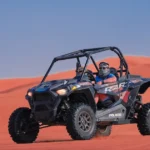
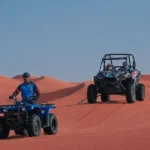
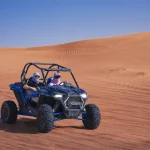
Active Participants (Dune Bashing, Sandboarding, Walking) If you plan to walk on dunes, try sandboarding on the dunes , participate in outdoor activities like quad biking or buggy riding, or spend more time outside the vehicle, you should drink on the higher end of the range. We recommend an extra 250–500 ml over the 6 hours, especially during summer months.
Signs You’re Not Drinking Enough Water
Your body gives clear signals when hydration is low. Take these signs seriously:
- Headache
- Feeling unusually tired or sleepy
- Dizziness when standing up
- Dark yellow urine
- Long gaps without needing the bathroom
If you notice these signs, stop activities, rest in the shade, and drink water slowly.
Water vs Electrolytes – What’s Better in the Desert?
When you hear the word “electrolytes,” it may sound technical or medical. In simple terms, electrolytes are minerals (like salt and potassium) that help your body hold onto water, regulate muscles, and prevent cramps. You lose them when you sweat, especially in hot, dry desert conditions.
The good news is that most people do not need electrolytes all the time during a typical desert safari.
When Water Alone Is Enough For most travelers on a standard 6-hour desert safari, plain water works perfectly well when the weather is moderate, activities are light to moderate, and you are drinking regularly throughout the day.
When Electrolytes Help Electrolytes become useful when your body is losing more than just water. They can help when the day is very hot, you are sweating heavily, you are very active, or you are prone to muscle cramps or fatigue. Simple and safe options include light electrolyte powders or tablets mixed into one bottle of water.
What to Avoid
Some drinks can actually make dehydration worse. Avoid strong energy drinks, too much caffeine, and very sugary sports drinks. These can upset your stomach, increase dehydration, or cause energy crashes.
Common Hydration Mistakes on Safaris
Many dehydration issues come from simple mistakes. Avoid these:
- Waiting until you feel very thirsty.
- Drinking a lot of water right before dune bashing (read our guide to avoid motion sickness during dune bashing if you are prone to nausea) .
- Standing in the sun when shade is available.
- Relying on soda, coffee, or energy drinks.
- Starting the safari already dehydrated.
Practical Hydration Tips for a Comfortable Safari
Use this simple checklist to stay comfortable:
- Start hydrating the day before your safari.
- Drink water in the morning before pickup.
- Eat a light meal; avoid heavy or greasy food.
- Bring a refillable water bottle (insulated if possible). To make sure you don’t forget anything else, review what to pack for your desert safari for a complete gear list .
- Bring optional electrolyte sachets and lip balm/moisturizer for dry air.
- Use shade and rest areas whenever available.
- Avoid alcohol before and during the safari.
Conclusion
For most desert safaris, water is all you really need. Drinking small amounts regularly keeps your body hydrated and comfortable. Electrolytes can help on very hot days or during more active moments, but they should support hydration, not replace water.
At Trawey Tours, desert safaris are planned with guest comfort in mind; regular breaks, shaded stops, and access to drinking water help travelers stay hydrated without overthinking it. If you are ready for a well-hydrated adventure, book a safe Dubai desert safari with Trawey today .