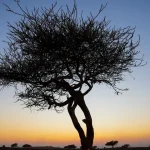
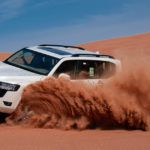
Deserts are magical landscapes filled with stunning shadows and picture-perfect frames. For photography lovers from all over the world, the Arabian dunes are a true paradise. However, capturing the perfect image is often more challenging than it looks due to fast-changing light, harsh sun, and blowing sand.
In this article, we will explain the most common mistakes photographers make in the desert and how you can avoid them. Whether you are a beginner or a professional, these tips will help you capture the desert’s true beauty. If you are planning your first photo trip, start by reading our essential Dubai desert safari guide for beginners.
Common Mistakes Photographers Make in the Desert
Even experts can struggle with the unique environment of the dunes. Therefore, avoiding these simple errors will save you time and energy.
1. Not Researching the Location
Many photographers fail to research the specific terrain before they arrive. Because every desert has its own charm—some have red dunes while others are flat—knowing the geography is vital. For example, a red dune desert safari offers much taller peaks and deeper shadows than a standard safari.
- Solution: Read related blogs or ask your tour operator for detailed information about the specific landscape you will visit.
2. Using Incorrect Camera Settings
Relying on “Auto” mode is a mistake because desert light is often overexposed. The sun reflects off the sand, which can confuse your camera’s sensors.
- Solution: Use a low ISO (100–400) to reduce grain. Furthermore, adjust your aperture to f/8 or f/11 for the sharpest results across the entire landscape.
3. Shooting at the Peak of the Day
Taking photos between 11:00 AM and 3:00 PM is a common error. Midday light is too direct, creating harsh shadows and flat skies.
- Solution: Plan your shoots during the “Golden Hours.” If you want to capture the softest light, book a sunrise desert safari to see the dunes soaked in a warm, orange glow.
4. Neglecting Composition and Foreground
Simply placing your subject in the center of the frame often leads to a basic photo. Small details can transform a standard shot into an extraordinary one.
- Solution: Use the “Rule of Thirds” by placing your subject off-center. Additionally, add foreground elements like camel footprints or sand ripples to create a sense of depth.
Essential Gear and Protection Tips
The desert environment can be tough on your equipment. Therefore, being prepared with the right gear is non-negotiable.
- Protect Your Gear: Use protective covers or weather-sealed bags to keep dust out. Sand particles can easily scratch a lens or damage internal parts.
- Pack Spares: Desert heat can drain battery life much faster than usual. Consequently, always pack spare batteries and extra memory cards.
- Use Filters: A polarizing filter is a must-try tool. It reduces glare from the sand and enhances the deep blue of the sky, making your photos look much richer.
Respecting Local Culture and Privacy
While you are chasing the perfect shot, you must remain mindful of local laws. In the UAE, taking photos of people without their consent is considered illegal.
- Solution: Always ask for permission before clicking a portrait of a local resident or staff member. Review our guide on essential Arabic greetings for travelers to learn how to ask politely.
Environmental Awareness
As a photographer, you should always respect the fragile ecosystem of the desert. Avoid disturbing wildlife habitats or desert plants while setting up your shots. Most importantly, follow the “Leave No Trace” rule to keep the desert pristine for future explorers.
Conclusion
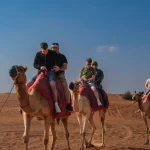
At Trawey Tours, we believe every photo tells a unique story. Whether you are capturing high-speed action or the quiet beauty of a morning desert safari with camel ride, the dunes offer endless frames.
With the right timing and a little preparation, you can avoid common mistakes and take home stunning images. Book your desert safari in Dubai with us today and let’s start creating your visual story in the sand!.