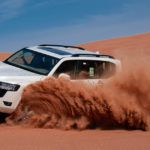
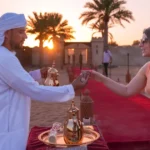
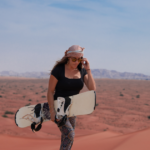
Desert safaris are often pictured as peaceful drives across golden dunes, soft sunsets, and cool evening breezes. Many travelers assume that if the weather feels pleasant, especially in winter, the sun is no longer a threat. This is one of the most common and risky misunderstandings.
In reality, open desert dunes can expose you to stronger UV radiation than many beaches or cities, even when temperatures are mild. The sand reflects sunlight, shade is limited, and safari activities keep you outdoors longer than you may expect.
In this blog, we explain why UV exposure is stronger in the desert, why cool weather can be misleading, and how you and your family can stay protected while still enjoying the experience.
Why UV Exposure Is Stronger in the Desert
It is true that UV exposure is stronger in the desert. The desert environment naturally increases UV exposure in ways many travelers do not realize.
Key reasons UV is harsher in open dunes:
- Sand reflects up to 40% of UV rays back upward, hitting your skin from below as well as above
- Clear desert skies allow more direct UV radiation compared to cloudy or urban areas
- There are no trees, buildings, or natural shade to block sunlight
- Light-colored sand reflects sunlight more than grass or soil
Because UV rays come from multiple directions, sunscreen alone is often not enough without additional protection.
Cool Weather Does Not Mean Low UV
One of the biggest myths about desert safaris is that cooler temperatures equal lower sun risk. Travelers often think that in winter season there is no risk of UV radiation.
Why winter sun can still cause sunburn:
- UV radiation remains strong year-round in the UAE
- Cooler air hides the sensation of burning skin
- Overcast skies still allow UV rays to pass through
- People stay outside longer because it feels comfortable
Children, elders, and low-melanin-skinned visitors are especially vulnerable because their skin reacts faster to UV exposure.
Real Risks of UV Exposure During Desert Safaris
Sun exposure in the desert is not just about temporary discomfort. The risks can affect both short-term comfort and long-term health.
Common UV-related issues travelers experience:
- Painful sunburn on face, arms, neck, and other exposed areas of your body.
- Eye irritation or headaches from bright glare
- Dehydration made worse by sun exposure
- Increased risk of skin damage over repeated trips
Many guests only realize the damage later in the evening, when redness and discomfort appear after returning to their hotel.
How Safari Activities Increase UV Risk
Desert safaris involve more outdoor activities and time to spend outdoors than most of the visitors realize.
Activities that increase sun exposure:
- Sunset photography stops on open dunes
- Walking on sand for photos or short climbs
- Sandboarding or quad biking sessions
- Camel riding and dune buggy sessions.
- Waiting outside vehicles while others take turns
- Time spent at camps before sunset lighting changes
Even short periods add up when there is no shade and reflected UV from the sand. Even if it is for a short while, you get to be exposed to UV light in high intensity.
How to Protect Yourself from UV in the Desert
Protecting yourself from UV does not mean avoiding the experience. Simple precautions make a big difference.
Essential UV protection tips:
- Use SPF 30 or higher sunscreen on all exposed skin
- Reapply sunscreen every 2 hours, especially after sweating
- Wear long-sleeved, loose, breathable clothing; try to wear cotton fabrics.
- Use wide-brim hats or scarves to protect face and neck
- Wear UV-protective sunglasses to reduce eye strain
- Drink water regularly and avoid dehydration
- Take shade breaks whenever possible
Planning ahead helps you enjoy the safari without discomfort later.
UV Safety for Kids and Elders
Children and older adults need extra attention when it comes to sun protection.
Important precautions for families:
- Use higher SPF or mineral-based sunscreen for kids
- Reapply sunscreen more frequently than for adults
- Dress children in full-coverage clothing and hats
- Limit long outdoor waits during peak sunlight
- Encourage elders to sit in shaded areas
- Watch for early signs of redness or fatigue
How Responsible Tours Reduce UV Risk
Not all desert safaris are planned with safety in mind. Responsible operators take steps to minimize unnecessary sun exposure for your comfort.
Safety-conscious practices included
- Limiting long daytime outdoor stops
- Providing shaded seating at desert camps
- Advising guests on clothing and sunscreen before the trip
- Allowing guests to rest in vehicles or shaded areas
These small decisions greatly reduce UV-related risks for every guest.
UV Awareness with Trawey Tours
Trawey Tours plans desert safaris with comfort, safety, and family needs in mind.
How Trawey Tours helps protect guests:
- Thoughtful timing that avoids harsh midday sun
- Shaded seating and organized camp layouts
- Guides who advise guests on sun protection
- Family-friendly pacing for kids and elders
- Flexible stops that allow guests to rest when needed
- Proper communication with guests if they are having any discomfort or health issues.
- Always tracking and assisting elders and kids during the trip.
By combining good planning with clear guidance, Trawey Tours helps travelers enjoy the dunes safely and confidently.
Open dunes amplify UV exposure through reflection, lack of shade, and prolonged outdoor activity, even in cool or winter weather.
Understanding these risks allows you to prepare properly, protect your skin and eyes, and avoid unpleasant surprises after your safari. With the right clothing, sunscreen, hydration, and a safety-focused operator, you can enjoy the golden dunes, sunsets, and memories without compromising your health.
A well-planned desert safari should leave you relaxed and inspired.
Book your desert safari with Trawey Tours for a comfortable and safe experience.