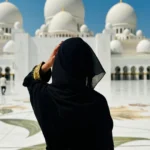
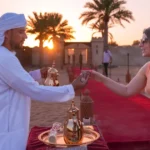
You book a desert safari after seeing beautiful photos online. Luxury tents. Soft cushions. Warm lantern lights.
But when you arrive, the reality feels very different. Plastic chairs. Dim lighting. Crowded seating.
If this happened to you, you are not alone. Many travelers feel disappointed when their desert camp does not match the photos they saw while booking.
Dubai’s desert safari market is large and competitive. While many operators are honest, some use marketing tricks that create false expectations. This leads to frustration, confusion, and a feeling of being misled.
In this article, we will explain:
- What the “bait and switch” really means in desert safaris
- Why desert camp photos often look better than reality
- Common red flags travelers miss while booking
- The real difference between budget and premium desert camps
- How to avoid disappointment next time
- How Trawey Tours focuses on transparency and honest expectations
What Is a “Bait and Switch” in Travel Camps?
A bait and switch happens when a company advertises one experience but delivers another. In desert safaris, this usually means showing photos of a high-quality or premium camp, then taking guests to a basic or budget camp instead.
This practice is common in high-demand tourist destinations like Dubai because:
- There are many operators competing on price
- Travelers often book quickly without asking questions
- Photos strongly influence booking decisions
The camp you see online is not always the camp you visit in real life.
Why Desert Camps Often Look Better in Photos
Desert camp photos are designed to sell an experience. Many of them look beautiful, but they don’t always show the full reality.
Here are the main reasons why photos can be misleading:
- Professional staging and lighting
Photos are often taken using professional cameras, studio lights, and perfect angles. In real life, camps are busier, lighting is softer, and the atmosphere changes with crowds.
- Premium camps used for budget packages
Some operators use photos of their best camp to promote all packages, including low-cost ones. Budget guests are then taken to a different camp.
- Seasonal and angle tricks
Photos may be taken during peak season or from angles that hide crowded seating, worn furniture, or basic setups.
- Old or outdated images
Camps change over time. Cushions fade, tents are replaced, and layouts change. Photos taken years ago may no longer reflect the current condition.
Common Red Flags Travelers Miss
Many travelers only realize something is wrong after reaching the camp. These warning signs are easy to miss but important to notice.
No real guest photos
If a website only shows perfect, edited images and no guest-taken photos, be cautious.
Vague camp descriptions
Terms like “luxury camp” or “VIP desert camp” sound impressive but mean nothing without clear details.
Very low prices for “premium camp” experiences
If a VIP safari is priced extremely low, the camp quality usually matches the price.
Stock images used across multiple websites
Seeing the same photos on different tour sites with different names is a strong sign of misleading marketing.
Budget Camps vs Premium Camps – The Real Difference
Not all budget camps are bad. The issue is when budget camps are sold as premium experiences.
Here is a simple comparison to help set realistic expectations:
| Feature | Budget Camp | Premium Camp |
| Seating | Normal seating arrangements | Premium cushioned seating, majlis-style |
| Lighting | Basic bulbs or floodlights | Traditional lightings and great ambience |
| Privacy and comfort | Crowded seating areas for live entertainment shows and BBQ dinner | Spaced seating and calmer setup |
| Food | BBQ Dinner with basic buffet | Upgraded menu and presentation |
Budget camps are suitable for travelers who want a low-cost experience. Premium camps are for those who value comfort, atmosphere, and space.
How to Avoid Disappointment When Booking
A few simple steps can help you avoid the bait-and-switch experience.
- Ask for recent guest photos: Request photos taken in the last few months. Honest operators will share them without hesitation.
- Confirm the exact camp name: Ask directly which camp you will visit and whether it is the same one shown in the photos.
- Read reviews that mention the camp: Look for reviews describing seating, lighting, food, and camp layout, not just dune bashing.
- Choose operators who explain options clearly: Reliable operators clearly separate budget, standard, and premium packages with matching photos.
Why Transparency Matters in Desert Safaris
A desert safari is often a once-in-a-lifetime experience. Trust plays a big role in how enjoyable it feels.
Transparency matters because:
- Families need comfort and safety
- Couples want privacy and atmosphere
- First-time visitors rely heavily on what they see online
When expectations match reality, guests enjoy the experience—even if the camp is simple.
How Trawey Tours Does It Differently
Trawey Tours focuses on honest communication and clear expectations.
Here’s how Trawey stands out:
- Uses real photos of actual camps
- Clearly names the camps, not vague labels
- No last-minute camp substitutions
- Separate categories for budget, standard, and premium safaris
- Clear explanations before booking
This approach helps travelers choose the right experience for their comfort level and budget.
When desert camp photos don’t match reality, it’s usually due to unclear marketing, reused images, or budget camps being sold as premium experiences. This creates false expectations and leads to disappointment.
As explained in this article, you can avoid the bait-and-switch by asking for recent guest photos, confirming the exact camp name, and choosing operators who clearly explain the difference between budget and premium options.
Transparency makes all the difference. At Trawey Tours, we make sure that you know what to expect, your desert safari becomes more comfortable, enjoyable, and stress-free.
Book with Trawey Tours for real camps, real photos, and a desert safari with no surprises.